Part 1: “Designing Small is Designing Smart” by Derek Maschek
Welcome to the most important part of the design process and woe to those that try and cut this corner altogether, or fail to go through it properly. Believe me, there are those that try, and all regret it without exception. So pay attention and listen up! Ready? Here it is…

Programming.

Sounds technical, and by all appearances it is. So what could it possibly have to do with design and how could it possibly be so important to design? Well, you probably remember the term GIGO from high school or maybe even grade school; Garbage In, Garbage Out. A piece of software, a website, a digital application of any sort, only works as well as its programming. So, in a similar fashion, if you aren’t designing with the right information, you are doomed from the start.

Especially when it comes to designing small, programming is about asking the right questions and answering them honestly and thoroughly. It includes questions to which you think the answers are obvious, but beware, this is where assumptions and misperceptions live and they have the potential to undermine everything. It’s not all about avoiding disaster though – programming is the best part, the most exciting part. Programming is where creativity is born and takes root, where opportunity hides, and where magic waits to transform your project.


A quick moment has to be taken here to shamelessly plug the profession of which I proudly belong – architecture. But this is exactly where design professionals show their experience and talent, and value. Working with a professional saves time and improves the quality and potential of the end product. Save a dollar here and spend hundreds later as a little good planning goes a long way. I’d say “trust me”, but we’ve all experienced rushing into something that we didn’t give due attention beforehand, and we paid the price. As most people will likely only engage a design professional once in their lives, if that, it’s important to not learn this lesson after suffering the consequences.

Now, it’s so tempting to jump straight into the fun stuff, but as with any building you have to build a good foundation first. We start with the three biggies; budget, schedule, and quality. To the best of your ability, be specific and prioritize so that a decision-making framework is established and clear. Some insight on how this works; the more you expect from one, the more the others have to give or else things get hairy really quickly. For example, if you want a lot of house for a little money, plan on lower quality and an expanding schedule. If you have a tight schedule too, then quality will plummet. Say you want high quality but don’t have much time, be prepared to pay dearly for it. The advantage to designing small is that the pressure on all of these items is eased from the start. All things being equal, the less you build, the quicker you can build it and the less it will cost. It’s a win-win-win situation, so congrats on picking the smart path! You can indeed have it all…sort of….

Next we start talking specifics; functions, features, and relationships. Prioritize them again so that everybody understands their relative importance and why. List the functions of your house and sketch them at their most essential. Often these functions are “rooms” but to call them rooms already would be one of those assumptions to be wary of. Be honest with yourself and distinguish between a want and a need. Size spaces to their function and furnish only to accomplish the task (“form follows function”). Watch out for duplicate functions and look for opportunities to overlaps too. Every bit as important, identify what you do NOT want or need, and why.

Discovering the difference between a Want and a Need comes out when answering the question “why”. Be honest and note, if you WANT something bad enough that it is non-negotiable, it does indeed qualify as a NEED. Squeezing out a bunch of low priority Wants is the best way to reduce the area of your house. As you start thinking about the number of “bedrooms” you list, ask some questions. Why three (to pick a common number)? Do you have two kids?, or just one and the other is really just a guest room?, or is there just an assumption that three bedrooms is what the market will want come time to sell? Could two of the “bedrooms” be combined even, as long as there’s some ability to achieve privacy, or could one be storage now and finished later if needed? Of course these questions are numerous and most of the time an answer leads to another question, exactly like a really good in-depth interview.

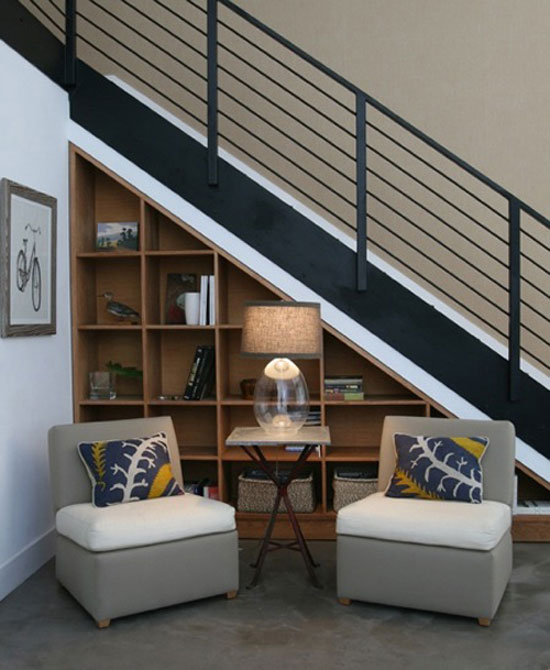
Sizing spaces for functions is about furniture quantity, size, and placement. In non Master Bedroom sleeping areas for example, are full size beds necessary or can they be twins?, or how about bunkbeds? Can they be pushed into a corner?, built into an alcove?, or even be hideaway like a Murphy Bed? An opportunity in small houses we’ll discuss later in this series is, you can actually buy less but higher quality furniture, and smaller spaces beg for smaller and simpler furniture.

Next, watch out for duplicate functions, as with separate Family and Living “Rooms”, or Breakfast Alcoves, Kitchens with seating, and Dining “Rooms”. Seek instead to overlap or combine spaces with related functions, like only sitting to eat in one centrally located farm-style kitchen area. Last but certainly not least, since circulation constitutes about 75% or more of the actual square footage of a house, consider how to put more functions within reach of the same paths, like with laundry and office functions “in” corridors. A function that’s directly accessible from another space uses much less space than a “walk-in” room dedicated to the function.

Design is fluid process. It’s not always obvious, is rarely quick, and is never all fun and glory as reality shows would have you believe. But it is those nuts and bolts components that make the overall process an enjoyable one, and the result seem so perfect. Others will ask “how could it have ever been anything else?” and you will know the simple truth- it all started with asking the right questions.

Stay tuned for more installments on this topic in the coming weeks.  Derek can be reached via email to discuss a specific project.

Intro to “Designing Small is Designing Smart” by Derek Maschek
Smarter and Smaller Houses, an Introduction to Design

Last year, Merriam-Webster voted “austerity” the apparently coveted status of Word of the Year.  The negativity around the term can be seen in the riots of Greece and Spain and Great Britain.  The word “austere” includes definitions such as “stern and cold in appearance”, “markedly simple or unadorned”, and “giving little or no scope for pleasure”.  No word better captures how many people would react if I were to suggest the concept of building small, particularly at a time when more is perceived as better.  And no word could be more misleading and wrong to the great potential of this “other” design approach.  So, to establish a new frame of reference, let me throw some new words into the pot for consideration;

Efficient

Effective

Essential

Economical

Connected

Comfortable

Convenient

In only sixty years, we have witnessed an interesting phenomenon in the United States.  The average size of a family has seen a 30% decrease, from 3.6 to 2.7 or one person.  Over the same period, the average house increased by 140%, from 1,000 to 2,400 square feet.  I’ll let you make any connections between life then versus now, as that is another conversation altogether and getting preachy here detracts and distracts from the power of a very powerful design methodology.


Put simply, when built using the same conventional methods, small houses cost less to build, operate, and maintain.  It seems obvious, but building less means a directly proportional reduction in the materials and time required to build, and in many cases the actual per-piece costs for materials is reduced as well.  Operationally, costs are reduced by limiting the resources needed to make the house work and be comfortable to live in.  And from a maintenance perspective, less time and money is put into cleaning, repairing, and eventually replacing all the components that go into a house. When capitalizing on the full capabilities of new technologies and the better understanding of traditional ones, these savings are compounded.  And by corollary, for the same cost, if you reduce the square footage, you can increase the cost per square foot, meaning a smaller house provides an opportunity for higher quality or more features.

This is a topic that has been covered by smarter people than I, and in greater detail than I’ll get into.  I intend only to provide an overview, emphasize a few simple points, and show some commonly pursued tactics as well as some uniquely innovative ones.  Most importantly I hope to reveal the underlying philosophy that supports it all, to shed light on the “other” design approach I mentioned at the top.

Architecture specifically is commonly perceived as an answer to some problem, a solution, a thing.  The emphasis is on the result.  However, architecture specifically and design in general, has been more accurately defined as “problem solving” or “problem seeking”. Design as process, not product.  In order to solve a “problem”, it is critical to first understand it, to ask questions in order to discover its essence in as much detail as possible.  So, when it comes to designing a small house, let’s focus on the questions being asked as a means to understand the answers that result;

What do you want in a home?

What do you need in a home?

What limitations are there?

What opportunities are there?

I would invite you to go through a sort of design process with me moving forward, answering these questions as best you can.  Consider the design of your dream home, your vacation home, or just reimagine your current home.  Consider the addition or renovation you’ve been contemplating.

Designing a small home, as it should be with any home or any building, is really nothing more than being smart about it, balancing what you need with what you want with what you have.  Designing small, is designing smart.

Stay tuned for more installments on this topic in the coming weeks.  Derek can be reached via email to discuss a specific project.

guest blog: green renovation by Diane Rosen
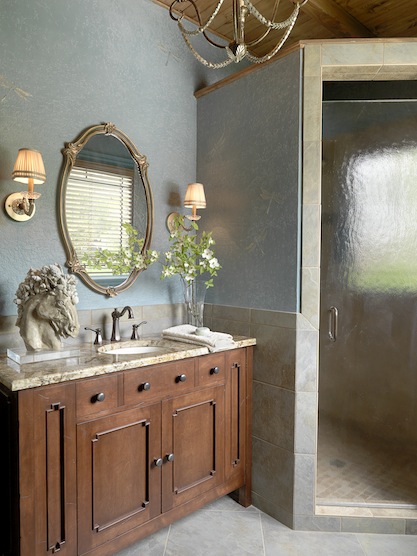
Thrilled at the prospect of creating a room, really creating a retreat from an existing garage was all at once exciting and challenging at the same time.

Let me take you on this adventure……….

The Vision:

Collaborating with my clients, their thoughts, needs and wishes….”I’ve always wanted, thought about…”

Ahha…a lake retreat with emphasis on relaxing and comfort was born…

The Challenges:

The existing garage had no plumbing or HVAC.  In collaboration with top contractor Mike Lemke of Renovation Specialists, plans were drawn, discussed and decisions made.

A bath with shower, sleeping and lounging areas were all components of this retreat, a great get away, so close yet so far away.

Using only no VOC (toxic free) paint by Sherwin Williams, local lumber, recycled fabrics, treasured family antiques and adding lots of comfortable surroundings (gotta have a TV, fridge and microwave) put smiles on my clients faces and definitely one on mine and contractor Mike Lamke.

View more of Diane’s work at www.dianeroseninteriors.com

diy headboard wall – part 2 by andrea beckman
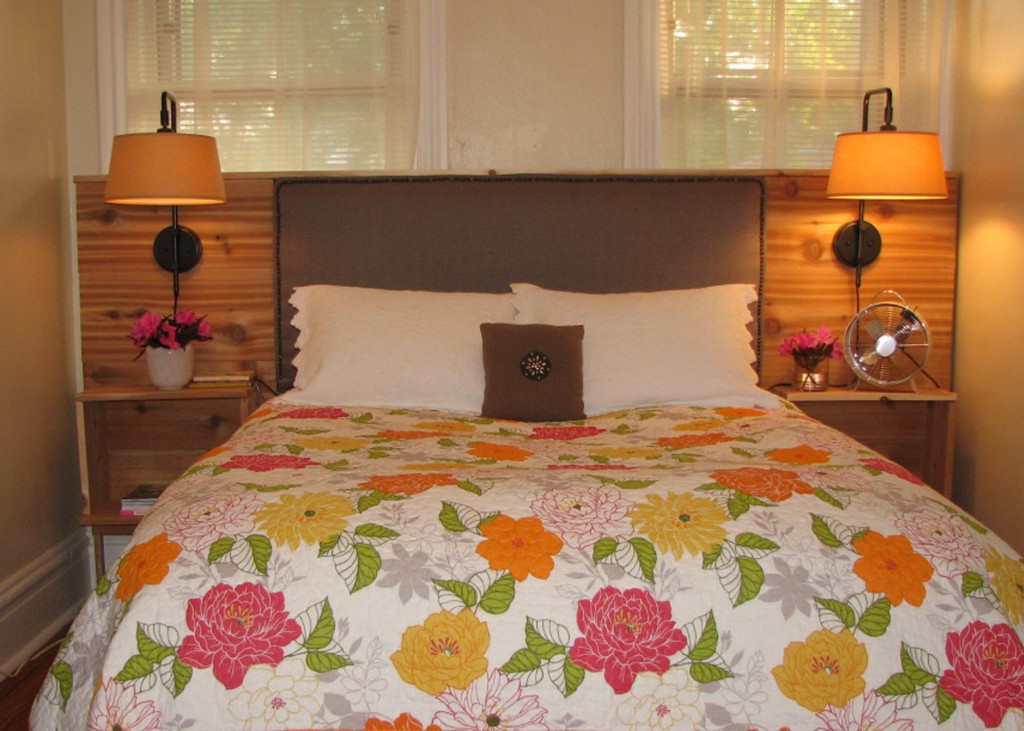
At last….I’ve finally completed my ‘headboard wall’!  If you have not checked out my first post diy upholstered headboard – part 1, I started this project over two months ago and it has been on my ‘to-do’ list for about seven!  None the less it’s finally complete and I’m happy to say it turned out beautiful, it’s exactly what I wanted!  There were a couple bumps along the way, one which included me almost firing my assistant (Dad), but he pulled through!  Actually I couldn’t have done it without him.  I had the vision but he was the brains behind this operation, and together we brought it to life.

Let me quickly refresh your memory…

BEFORE


  1. I fell for a pair of wall lamps and purchased them for my new bedroom, which at that point was only a figment of my imagination.
  2. I found a beautiful apartment and moved in!
  3. Unfortunately, the only wall that my bed could fit on has windows located on each side, thus providing no home for my wall lights….This momentarily put a little hitch in my giddy-up, but I quickly determined that I could work with this.

Solution……


VISION


  1. Build a headboard with side extensions for my wall lights to attach to.
  2. While I’m at it, construct floating shelves to act as bedside tables.

We first created the actual upholstered headboard which was part – 1.


UPHOLSTERED HEADBOARD


Now for part – 2…

Step 1 We first built the two side extensions ahead of time.  I decided to use planks of Western Red Cedar to construct these units.  I chose Western Red Cedar because of it’s wood grain, color and it was readily available.  As I mentioned in my first post, I wanted to create a slightly rustic look while keeping it refined.  This is why I decided to leave the wood untreated and in it’s natural state.  I also liked the way it contrasted with the upholstered headboard and added to the mix of textures!


SIDE EXTENSIONS


To create these pieces we used (4) 1 x 12 planks of Cedar and attached them to a 1 x 2 (on edge) sub-frame using brad nails (head-less nail).  This gave us a clean flush look with the structural members behind.  To design the box units we used (3) 1 x 10′s on the top and sides, and a 1 x 12 for the bottom.  I originally intended on using the 1 x 10′s for the entire box, but I did not plan for enough material and we were short.  So, to prevent spending more $ and having additional waste, I decided to suck it up and put the left over 1 x 12′s to use.  Surprisingly, once in place I really liked the way it looked.  I love when this sort of thing happens…I love it when you have to get creative due to lack of funds, or a ‘mistake’ ends up turning into something great!  In some unexpected way, the deeper piece at the bottom provided this subtle detail that really added a nice touch.  In fact, I wish I could say I planned it that way!  We also used brad nails to create these box units and attached additional screws from the back and bottom to give it extra support and strength.  While this is not engineered to be used as a step ladder, it will hold somewhere between 30 – 50 pounds.


Step 2.  We attached the side extensions to the sub-frame of the headboard using (3) 1-5/8″ Phillips drive screws (cordless drill is a must)!


STEP 2

STEP 2


We built the ‘headboard wall’ in three separate/ modular units.  We used removable screws so that it could be easily dis-assemble or reassemble at a later date.  This also allows the different pieces to be used independently of one another, not to mention it would be extremely difficult to move as one unit.

Note: Before attaching the final section, be sure to secure a ladder behind the unit.  Because this was designed to take up the entire wall space, once you’ve attached the last section, you might have a difficult time getting out from behind!  We used the ladder numerous times!


Step 3.

STEP 3


Once the last section was installed and everything was flush with the top of the headboard, we attached a 1 x 4 board (that ran the entire length) behind the unit.  This was attached to the verticals of each section’s sub-frame and provided extra rigidity to the entire unit.  In addition, we attached a small 1 x 4 piece of lumber behind the center of the headboard.  This also attached to the 1 x 4 on the back side (see below).  This was necessary for step 4 and continued to provide extra rigidity.


Step 3


Step 4.  The final design detail included a top piece that capped off the entire structure and visually tied it all together.  Again, it also added to the overall structural support.  This was screwed into 5 places…the top of each section’s sub-frame and the center 1 x 4 piece that was just added in step 3.  This really gave it a nice finished look!


STEP 4


Below is why you need the ladder….


HALF an HOUR LATER.....IF YOU'RE LOOKING FOR SPEED, THIS IS NOT YOUR GUY!


Step 5.  Lastly, to secure the entire unit in place and ensure this bad boy wasn’t going anywhere, we used (2) 5″ – ‘L’ brackets and attached the sub-frame to the inside of each window jam, using one screw.  This last step solidified the entire unit and it’s as sturdy as a tank…oh yeah!


Final Steps….


PUTTING UP CURTAINS AND INSTALLING WALL LIGHTS


INSTALLING WALL LIGHTS


Side note…I do know how to work a power drill, but Patrick always insist on doing it himself!


Final Result!


AFTER


AFTER


AFTER


AFTER


I think what surprised me most with the final result, was how much larger it made my entire room feel!  That was nice and I’m not going to lie…it does add a touch of sophistication that I do enjoy!

The entire headboard definitely possesses that home-made touch and is not perfect.  It is however ‘perfectly – imperfect’ which is perfect for me!  As always, it’s about ‘blooming where you’re planted’…creating a space that you love, utilizing what you love and most of all, with the ones you love~


DIY Wedding Story by Andrea Beckman

Whenever I post a blog, I try to do it on something that signifies the notion of “blooming where you’re planted.”  Whether it is through design or another form, it’s about finding a way to live beautifully in the situations and places in which we reside.  So when my dear friends, Brandi and Ryan asked me to help with their wedding centerpieces & decor, I was thrilled!  Not only was I thrilled to embrace the creative challenge & bring their vision to life, I thought it would make a perfect “bloom where you’re planted story!”

When taking on the challenge I knew it would be a “DIY” project, I just wasn’t sure what I would be doing/creating exactly.  This brings me to the centerpieces which truly set the tone for the rest of the design and were definitely hands on!  The centerpieces all stemmed from Brandi’s vision & love of nature.  “First I decided on a color, which obviously had to be green since it’s my fave.  When considering what to use, I kept coming back to a “natural” theme – I love nature, it’s where we find the most beautiful and natural life.”


INSPIRATION PHOTO


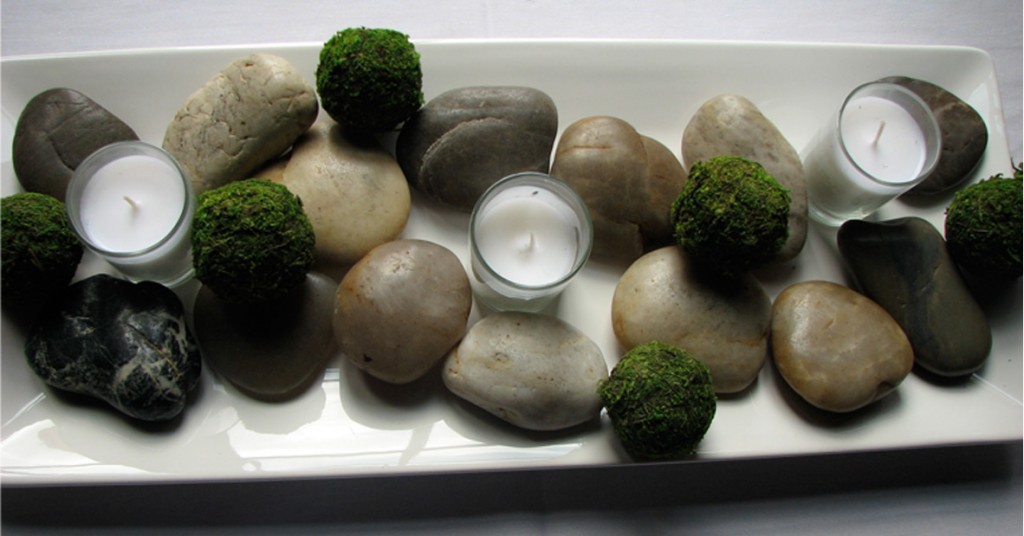
Brandi came across this photo when searching for “natural” centerpieces and immediately liked the moss and rocks, however she felt it was missing something.  “I felt it needed something more so I eventually came to the idea of bamboo.  I wanted to use bamboo because it reflects me and Ryan’s personalities – it’s sort of a “zen” idea.  I have found that I’m in my most meditative state when in nature.”

Perfect, so it was decided…moss, rocks and bamboo!  Brandi had a very clear vision.  Her vision included moss in the shape of a circle with rocks (smaller than what’s shown in the picture) & three stalks of bamboo in the center.  Now for the tricky part, how to give that life & create a balanced composition while honoring Brandi’s clear vision.  I know what you’re thinking…what’s so hard about that?  Believe me I had my challenges…or were those just personal challenges?  Either way it took me awhile!  I played with many different concepts…different vase sizes, colors, shapes, heights, additional foliage and so on.  Oh, and that does not even include all of the different moss I tried to seek out and experiment with!  This is no complaint, just acknowledging that even the most minimal of designs require a great deal of thought.


Building the moss bases!


CONSTRUCTING THE BASE MOLD


I began with using round card board that is used for cake bases.  These would have to be transported so I needed to have some sort of base.  I used foam to create my mold for the moss.  I wanted all of the moss bases to look as natural as possible and this helped to create the illusion of thick, plush moss.


FORMING MOSS AROUND BASE


I used a preserved moss that was not on a sheet, it was a rich green and retained much of its native looking state.  Because it did not come on a sheet/netting I felt it was easier to fashion around the base, particularly because it was thicker and not perfectly flat.  It already has some depth of its own which again contributed to a more plush look.  Of everything I did, this part was the messiest and the most challenging.  When I say messy I mean it!  I literally went to bed once with a few green fingers.. remains from the moss that had been stuck to my fingers via glue.  There may have also been some moss stuck in my hair.  After this incident I switched glues!  None the less I prided myself in trying to create the most plush and natural looking moss bases possible.  I even began to imagine that I was this highly skilled artisan/sculptress/? who was the only person capable of creating such lush and alive looking moss.  It was my mission!

Because I am oh so great at procrastinating I was shamefully still creating some of the bases the morning of…AWWW!  Luckily I recruited a dynamite team to help me on the big day because I knew I would need it!


EMILY RUGGERI & AMY BECKMAN HARD AT WORK


Meet the team:

Emily Ruggeri – Interior Designer:  Emily is one of my close friends and is great at improvising and taking the ball and running with it.  I wasn’t sure what type of improvising we would need to do the day of, but I knew I needed a hand on deck that I could trust!

Amy Beckman – Twin Sis:  Amy is great help, has a good eye but proved to be slightly crazy with the design stuff in the heat of the moment..another story!

Patrick Beckman – Dad:  Long-time trusty assistant, just as long he’s following my orders…Just kidding!! but seriously.  Pat ran errands and was a huge help!

Linda Beckman – Mom:  Linda was on clean up/packing duty and food control.  When the team needed to hydrate and re-fuel with pizza, Linda was on it!


5 MIN. BREAK...PIZZA!! LOADING UP THE CAR


Now for the fun stuff


BEFORE


AFTER


AFTER


CAKE TABLE


I liked the idea of using Queen Anne’s Lace for accent foliage because of it’s minimal and airy feel.  It worked out perfectly because it was actually the flower used on the invites and it really tied everything together.


MISC. DECOR


VIEW TO PATIO


FLOATING CANDLES & GRASS FOR COCKTAIL TABLES, MISC. DECOR


MISC. DECOR


BAR DECOR


The Ceremony


CEREMONY LOCATION


Brandi and Ryan were married this past May down by the bank of a lake under Ryan’s homemade arbor.  The wedding was on Miss Tennie’s property – Sweet Briar.  Miss Tennie is 94 years old and a close friend of the family, bride and groom.  Ryan used to cut the grass out at the property as a teenager.  “To get married there really had a lot of personal meaning to us.”


THE GROOM CONSTRUCTED THE ARBOR HIMSELF!


RECEPTION


This wedding truly exemplified what it means to “blooming where you’re planted.”  Making the most of what you love, your surroundings and resources.  I had so much fun working with Brandi and the gang on this wedding.  It truly was beautiful and a fulfilling experience that I will cherish always!


Where It’s At: FORM 2011

So, if you haven’t already heard of this amazing contemporary design & furniture show, you may be living under a rock…

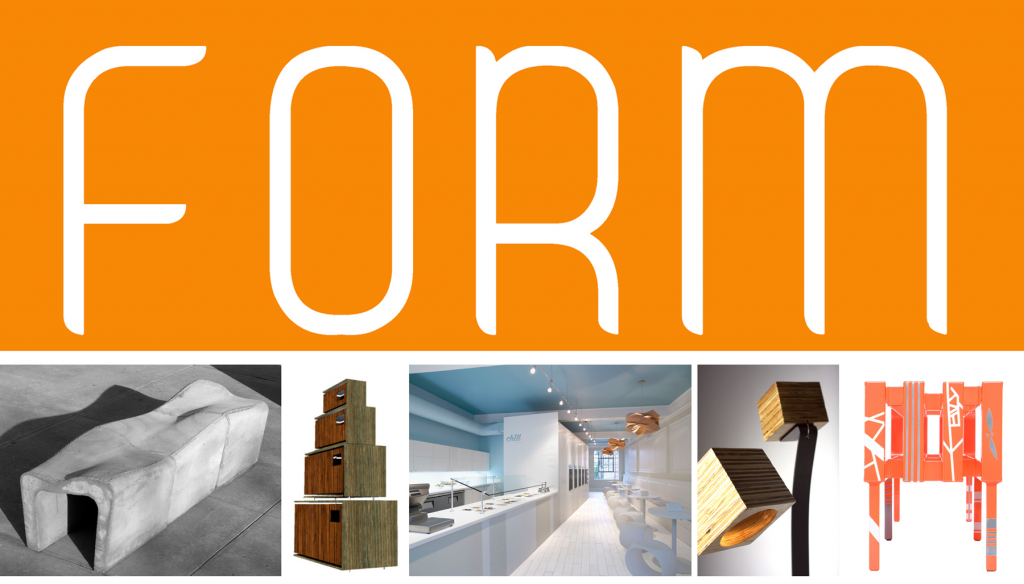
Last year, The Luminary Center for the Arts debuted an event that brought hundreds of underground modernists out for speculation and awe.  In a city so unusually traditional, I was amazed to meet a great number  of unique and interesting individuals at last year’s show.  This year is shaping up to be nothing short of a spectacular sequel!

Still not convinced?  Those of you that have attended our monthly “speakeasy” events probably recognize a few names on last year’s list as our surprise raffles.

For me and DesignSpeak, FORM was a huge success.  But more so for St. Louis.  It is so refreshing to see cutting edge design and designers embraced and encouraged.  On that note, I encourage you to either attend or show off your stuff.  We want to see your faces!  :)

Here’s all the relevant info:

FORM is presented by The Luminary Center for the Arts as a forum for exceptional designers to showcase
their work, connect with a community of other designers and sell directly to supporters. Proceeds from the
event will go directly to the designers and to support The Luminary Center for the Arts, a 501(c)(3)
nonprofit artist resourcing platform created for the production and presentation of innovative art, music and cultural projects.

Early bird applications are due April 25th – all applications are due by May 23rd and may be submitted online at

formdesignshow.com. For more information, please contact Brea McAnally at brea@theluminaryarts.com.

Only 2 weeks left to apply! Deadline for all applications May 30th!

*Booth spaces begin at $200 with a 20% discounts to students and recent graduates.

*100% of all sales go directly to exhibitors

*Exhibitor perks include an online designer listing, 1/2 page full color listing in exhibit catalog, discounts on travel and hotel stay for  our of town exhibitors, exposure to 2500+ attendees and more!


Going ‘smart’ by Jamie Briesemeister

Smart phone, smart home, smart… appliances?  Yes – even those.

Our life is filled with ‘smart’ technology that enables people to interact with each other, the home, the office – the world – like never before.  It’s extended into our mobile phones – creating mini-computers we use to text, check email, browse Facebook, bank online, and sometimes… on occassion, to make a phone call.  It’s in our homes – connecting the systems we interact with daily to simplify the way we live.

Now, ‘smart’ technology is being embedded in our appliances: refrigerators, ovens, washers/dryers, and more… all to enhance our life, conserve energy, and save money.  Here are a few feature benefits of having a ‘smart’ appliance.

1. Pro-active service from your appliance manufacturer.  Many manufacturers will be able to remotely monitor your appliance, notice if it is not performing as expected, and call you to schedule a service visit - even before the appliance stops working.  That’s service!

Connected 'smart' appliances

Network-connected, or 'smart' appliances, provide better manufacturer service.

2. Energy costs vary throughout the course of a day.  Connected appliances will be able to display your usage options so you can use the device at the time of day that makes sense for your family.  Adjust simple features (such as a heating element) to lower energy costs and see it reflected on the screen before you hit ‘wash’.

Appliance energy manager

As energy costs vary throughout the day, 'smart' appliances can guide your use habits for optimized savings.

3. Tired of throwing away rotten food?  No more worries – or old food – as some refrigerators will be outfitted with the ability to manage your food freshness.

Food management

A display panel acts as a map to find your specialty produce when you need it.

4. Have a busy house where the refrigerator door gets left open throughout the day?  Ever forget to turn off the oven after you were done baking?  Not only is this a waste of energy every time it happens – it’s a danger for children and pets.  Smart appliances will be able to send you an email, text message, ‘ping’ your in-ceiling speakers, and more – to inform you about the status of your kitchen – before it becomes a problem.

Busy family fridge

As people come and go, the doors may get left open. Smart appliances can notify you to shut the door (text, email, etc.) - unfortunately, they do not (yet) shut themselves.

5. As part of an automated home, smart appliances can display information on the same remotes, iPhone/iPad, or touchscreen that you use to control the music or lighting in your home.  That’s smart – and convenient!

Smart Kitchen

The heart of the home is a great location to go 'smart' - new construction or existing.

Smart appliances are a relatively new concept, with new technology, and many people may still be hesitant to jump on board.  In this case, while in the planning stages for a kitchen design or in a current remodel – consider the need for connected appliances for future use.  A simple and inexpensive consideration for your electric systems contractor would be to run a category 5e or 6 (cat5e / cat6) cable to your appliance locations.

This way, while your appliance may not be ‘smart’ now, at least YOU are as you plan for future needs.

To read more of Jamie’s work, click here to visit her website!

Healthy Abode: Spa Bath – Part 3 by Melanie Holden
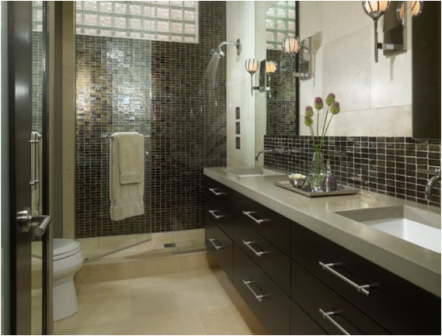
Happy New Year! Let’s pick up where we left off for the final installment of spa baths.

Shades of orange and peach are warming tones that increase energy levels and inspirational thought. Orange is a color of fun and friendliness and is best used in activity or creative areas. It stimulates the pulse rate and appetite and is known to energize the thyroid and respiratory system. Orange happens to be one of my personal favorite colors and can look great in a bathroom, but its probably best reserved for other areas of the home.

Then there ís sexy, powerful red.

This passionate color stimulates and excites the vitality of the body and mind. Shades of red promote alertness, strength, courage, sensuality, and sexuality. Transversely, rage, anger, and revenge are the polar values of this commanding color. Red can increase circulation and the pulse rate, raising blood pressure and breathing rates. All of those factors, both good and bad, make red a color that you probably will not want saturating your bathroom. If itís red that you absolutely must have, utilizing a softer shade of magenta, rose, or coral may be more appropriate.

Splashes of red may also be more desirable than complete saturation for an ideal spa bath.

What about white for your spa bathroom, you ask? White contains the entire light spectrum in perfect balance and consequently influences all the systems of the body. Crisp white neutrals are absolutely brilliant in a bathroom! Most of you probably already have white plumbing fixtures, so itís easy build off of those elements. White can encourage creativity while it simultaneously strengthens and nurtures the soul. It generally feels fresh, pure, efficient, and clean and is easy to incorporate into various decors, whether traditional, eclectic, or modern. When in doubt as to what color to use, you can seldom go wrong with white.

How about the non-color color, black? Really? Black for a bathroom? Many people shy away from black, thinking that it would be too dark for a smaller space like a bathroom. To the contrary, dark colors can sometimes make a space feel larger when used correctly. Black neutrals feel wonderfully masculine and glamorous when done appropriately.

Black is a protective color that has calming effects ñ especially to more sensitive individuals. It is most effective when used in conjunction with shades of white and should be used in combination with other colors. Of course, too much black can cause undesirable feelings like depression, fear, suspicion, and paranoia, so take care to use it in moderation.

Finally, letís talk brown. Some of you may be thinking, yuck, why would I want brown in my spa bathroom? Keep in mind that brown can come from a variety of sources, not just limited to the wall color. Most wood tones are brown, so it can be incorporated with a lovely wood vanity, your mirror frame, or even a teak or bamboo bath mat.

However, I am absolutely not opposed to brown walls, especially when used in conjunction with complementary clean, white bath fixtures and other accents. Brown neutrals can feel earthy and organic, which is very beneficial in creating a nature-inspired bathroom. Brown is a valuable healing color because it calms, stabilizes, and grounds emotions. Brown can help you rediscover your center. It even is known to calm hyperactive children!

I know there are about a million other colors that we could get into, but Iím already pushing my luck with the length of this commentary. Plus, most of those other colors are shades and variations of the colors that I discussed above. Whichever color direction you choose to use in your spa bathroom, remember that color is personal and it should benefit the wellbeing of your body and soul. Choose colors that complement your skin tone in the area where you apply make-up, and choose colors that generally make you feel good. Combined with good lighting, color can be all that you need to create your ideal home spa sanctuary.

Healthy Abode: Spa Bath – Part 2 by Melanie Holden

If your summer was anything like mine, it was a hectic one, and Iíd venture to say that weíre all overdue for a little R&R before the busy holiday season kicks into full gear. So, letís pick up where we left off a while back and get back to spa-ing your bath so that you can have that R&R in the comfort of your own home! Hopefully, youíve already incorporated a few organic elements as I discussed in part 1. Maybe you added a pretty plant or two or a few rocks here and there? Now letís move on to one of my favorite subjects, COLOR!

Color has an enormous impact on your feelings in any space ñ not just your bathroom; it is a key factor in establishing balance within the body and soul.

In general, warmer colors such as red, orange, and yellow stimulate while cooler colors like blue, indigo and violet evoke a more calming influence. With that in mind, if itís the ultra-relaxing spa atmosphere you are after, it is preferable to primarily implement calming colors within the space rather than energizing colors. With that said, nothing dictates that a bathroom canít have a bit of stimulating color and still provide a relaxing atmosphere. Every color has its own specific qualities that are beneficial to the therapeutic process, so itís important to focus on the particular therapies that are most significant to you.

When considering the direction to take with your bathroom colors, itís helpful to appreciate the effects any given color may have on your mind and body. So, letís chat our way through the rainbow starting with one of my choice spa-bath colors: blue.

Blue tones generate a sense of peace, serenity and balance. Whether itís azure, cobalt, indigo, sapphire, navy, or aquamarine that strikes your fancy, shades of blue can invoke calmness and invite introspect. Blue is associated with the sky, the ocean, and water in general. The tranquilizing property of blue is helpful in relieving headaches and muscle cramps and is said to have a healing effect on many other types of aches and pains. All of these qualities make blue tones an excellent choice for bathroom color palettes!

Similar to the tranquil qualities of blue, green is classic, calming, harmonizing, detoxifying, and even sedative. It relaxes me just thinking about it! Green is associated with nature, rebirth, growth and money. Have you ever noticed that hospitals often incorporate green into their color schemes? Thatís no mere coincidence. Some shades of green are actually known to have healing qualities and can evoke feelings of security and self-confidence. However, other shades of green should be utilized cautiously, as they can be reminiscent of mold or decay, undesirable in any environment, much less a bathroom.

A blend of blue and red tones, purple is a fascinating, paradoxical color that employs both relaxing and stimulating characteristics of the color spectrum.

It represents royalty, prestige, divinity, authority, and anger. Purple is stimulating, yet meditative, and may aid in detoxifying the body when used in moderation. Physically, purple can provide pain-relieving, tranquilizing, and hypnotic effects. It has been known to enhance intuition and imagination, and reduce stiffness, blood pressure, and body temperature. Purple can provide many positive effects for the mind and body, but when overused it can also prove to cause, create, or exaggerate depression, so use it with care. I typically prefer to see it as an accent color in bathroom applications.

Not surprisingly, yellow is an eye-catching, optimistic, energetic color of awakening. This cheerful, bright color of the rising sun inspires intellectual activity and power. It is a cleansing color that stimulates the digestive system, purifies the blood stream, and has even been known to alleviate headaches. As with many colors, it does have adverse effects when used in overabundance, sometimes creating anxiety and mental tension.

Like a Well-Aged Wine…Vintage Furnishings are Being Uncorked by Kimberly Reuther

We’re finally catching on…albeit slowly

For centuries, our contemporaries around the world have been perfectly content living in vintage buildings and homes.  With peeling plaster walls, dramatic moldings and herringbone wood floors, these interiors are reminiscent of previous decades and remain intact for new generations to appreciate and enjoy.  Americans, however, have long favored the “new” versus keeping or reinventing the “old”…It was, after all, how we were discovered and founded that instilled this behavior in our culture.  Maybe the term “New World” was on too many advertisements back in the 1700′s!

Not all bad, remember, it was our determination to mass produce things more efficiently that allowed Henry Ford to popularize the assembly line for the model T.  To this day, food, clothing, electronics, furnishings, to name a few, are still produced in a similar fashion.

In recent years, Americans are starting to realize the impact of our global “footprint” on the rest of the world.  Combine that awareness with a crippled economy and we are witnessing a “light bulb” moment in American homeowners with more diligent spending and a furniture perspective in which “vintage” just became “new.”

Here are a few tips for incorporating this design aesthetic into your home:

1.  Reuse what you have  – Fashion a slipcover on an aging sofa, give an old dresser a fresh coat of paint or turn a few unworn clothing pieces into pillows.  Collect unused furniture from relatives and friends to reuse in your home.  Display a collection of mis-matched plates as art.  Recycle old work equipment into colorful cocktail tables.  Vintage looks don’t have to be drab or stuffy; add punches of color to offset the aged pieces.

2.  Expect things to age gracefully – Marble, wood, cotton, limestone, bamboo, granite, wool are all natural materials and will not look the same in 15 or 30 years as they did when they were purchased  That doesn’t mean they need to be thrown away or replaced.  Think of the “scars” on your kitchen island as war wounds that should be proudly displayed to neighbors.  Keep in mind, these materials have been used for centuries and will last as long as you will.

3.  Purchase furniture as an investment – The value of antique furniture is endurance.  Does IKEA have endurance?  Seek out quality and you won’t have to re-purchase all your furniture every 4 years.  This is especially true for upholstery and casegoods.  Upholstered pieces can be recovered, restuffed and reborn.  Wood pieces can be refinished numerous times.  Do your homework and take care of your furniture to enjoy for decades.

4.   Add architectural elements, better yet, buy an antique…house.  St. Louis is fortunate to have a lot of beautiful homes with stunning architectural features inside and out.  Why try to reinvent the wheel by building a brand new home?  The amount of charm and character in an older home can far outweigh the costs of renovations if you choose wisely.  If you are looking to add details to an existing home, crown moulding and door casings are the first place to start.

5.  Last but not least, uncork a bottle & toast to your accomplishments!

Previously written by Kimberly for St. Louis AT HOME’s website.  Read more of Kimberly’s work and view her portfolio at www.kimberlyreuther.com.


Related Posts Plugin for WordPress, Blogger...